Why Do Instagram Sellers Need Storefronts?
July 19, 2026
A customer sees your Reel, loves the product, and sends, “How much?” You reply with the price. Then they ask for colors, sizes, delivery details, and payment options. By the time you answer everything, they may be gone.
That daily back-and-forth is why do Instagram sellers need storefronts is such a useful question. Instagram is excellent for getting attention. It is not built to hold your full product catalog, guide someone through an order, or keep every customer conversation organized when your business starts getting busy.
A storefront gives interested shoppers one clear next step. They can browse what you sell, choose a variant, review their order, and submit it without hunting through old posts or waiting for a reply. You still get to sell in the friendly, personal way that works on Instagram. You just do it without the chaos.
Instagram gets attention. A storefront handles the sale.
Your Instagram profile is your shop window. Reels, Stories, posts, and creator content help people discover your brand and decide whether they like your style. That part matters, especially when your products depend on visuals, trust, or a personal connection.
But discovery is only the first half of selling. Once someone is ready to buy, they need details that are easy to find: the current price, available options, product photos, stock status, and how to order. A caption can hold some of this information, but it becomes outdated quickly. A DM thread can answer it, but only one person at a time.
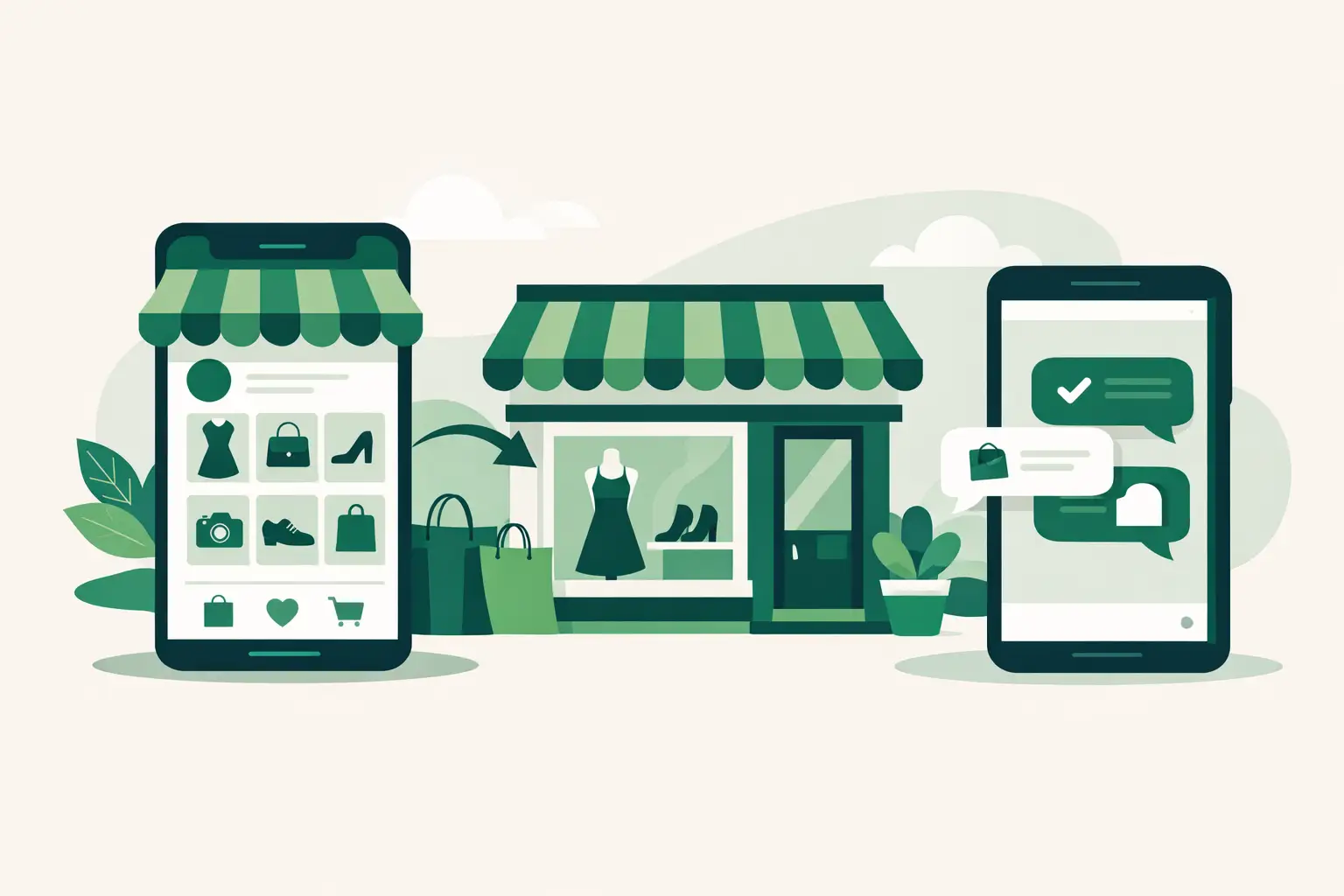
A storefront turns that interest into a shopping path. Put one store link in your bio, Story links, or a message reply. From there, customers can see your products in one place instead of piecing together their order from a week of posts.
This is especially helpful if you sell products with sizes, colors, flavors, bundles, or custom choices. A customer choosing a black medium hoodie should not have to type out every detail and hope nothing gets missed. They should be able to select what they want before they place the order.
Why Instagram sellers need storefronts as orders grow
Selling through DMs can work when you receive a few orders each week and know every customer personally. It becomes harder when a post performs well, a seasonal launch starts, or you are answering messages between a day job, deliveries, and family responsibilities.
The problem is not that DMs are bad. They are great for questions, reassurance, and building relationships. The problem is using one chat inbox as your catalog, order form, stock tracker, and customer record all at once.
Customers should not need to ask basic questions
When key information is scattered across captions, Highlights, and old messages, shoppers have to work to buy from you. Many will not. They may ask a question, get distracted, and never return. Others may feel unsure about whether an item is still available or whether your business is active.
A storefront answers the common questions before they become a conversation. Your product page can show the photos, description, price, options, and stock count. That saves time for both sides and lets your DMs focus on the questions that actually need a human answer, such as fit advice, customization, or delivery timing.
Order details stop getting lost in chat
A DM order often arrives in pieces: “I want the blue one.” Then, “Size large.” Then an address later that night. If you are handling several conversations at once, it is easy to miss a variant, confuse similar products, or forget which customer has confirmed.
With a storefront, the customer adds the item and selections to an order before sending it. The order comes through with a clearer record of what they chose. You can then use WhatsApp to receive and confirm the order, answer a final question, and keep the customer informed. The storefront handles the order itself; WhatsApp keeps the communication personal and familiar.
Your best products are easier to find
Instagram posts move down the feed. Even a beautiful product post can be difficult to locate a month later. Highlights help, but they are not designed for comparing several items, checking variants, or placing an order.
A store organizes products around how customers shop. Someone looking for skincare can see the relevant options together. Someone shopping a collection can compare styles without opening ten different posts. You can keep your Instagram content creative instead of turning every caption into a mini catalog.
A storefront makes a small business feel easier to trust
People do not need a huge company to feel confident buying from you. They need clarity. When shoppers can see what is for sale, what each item costs, and what happens next, your business feels more prepared.
That matters for first-time customers who found you from a shared Reel or a tagged post. They may love the product but still hesitate to send money or share delivery details through an unstructured chat. A dedicated ordering page shows that you have a process.
It also creates a better experience for repeat customers. Instead of asking, “What do you have right now?” they can return to your store, browse updated items, and place a new order quickly. That convenience can be the difference between a customer meaning to buy again and actually doing it.
A professional storefront does not mean you need a complicated website or a large team. For a phone-first business, it should be simple to update products, change stock, add photos, and check orders while you are on the move.
You get a clearer view of what is working
Instagram tells you which content gets attention. That is useful, but attention alone does not tell you what people tried to buy, which products are selling, or where an order got stuck.
A storefront gives you a more practical picture of your sales activity. You can see the orders coming in, review what customers selected, and spot patterns in what is getting purchased. If a certain product gets frequent questions but few completed orders, you may need better photos, clearer sizing, or a simpler product description.
This does not mean you need advanced reports or a complicated system. Even basic visibility helps you make smarter choices. You can decide what to restock, which collection to feature in your next post, and where your time is being spent.
The trade-off: setup takes a little effort
A storefront is not magic. You need to add product photos, write useful descriptions, set prices, and keep availability current. If you have a very small catalog and only occasional sales, that may feel like extra work at first.
But compare that setup time with repeating the same answers in DMs every day. Once your products are organized, each new post has a reliable place to send shoppers. Updating one product page is also easier than correcting old captions, Story slides, and saved replies.
The right goal is not to remove conversation from your business. Your personality may be one of the reasons customers buy from you. The goal is to remove unnecessary friction so you have more energy for the conversations that build loyalty.
What a useful Instagram storefront should let you do
Look for a store experience that matches how you already run your business from your phone. It should let customers browse a visual catalog, select variants such as size or color, and submit an order without needing an account or a long checkout process.
On your side, you should be able to add products, adjust stock counts, manage incoming orders, and share the store wherever you promote your products. It should also support the way you communicate with customers after an order, rather than forcing you to abandon the channels they already use.
Dukkan is built around that flow: create a visual store without coding, share it with your Instagram audience, and receive orders for confirmation through WhatsApp. You keep the social selling style your customers recognize while giving every order a clearer home.
Start small if that feels more manageable. Add your best-selling products first, include accurate photos and options, then place your store link where customers already look. The next person who comments, “Where can I order?” should have an answer that takes them from interest to action in a few taps.